


Keys to Aging in Place Successfully


The most important keys to aging in place successfully is preparation and information.
Preparation
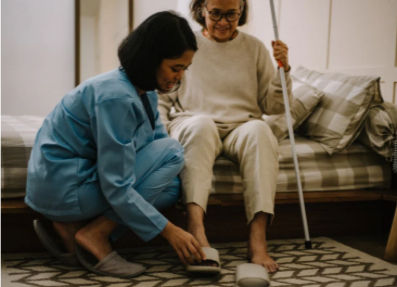
Part of preparation is daring to look ahead of your current state and considering possible limitations. Are you using a cane or walker, is your eyesight diminishing, do you have an old joint injury persisting? These kind of questions should cause you to plan for the future so that a sudden illness or injury won’t drastically disrupt your lifestyle. Once you’ve determnined these things now ask yourself is the set up of your home suitable if your abilities change? Will you be able to maneuver through your home and can you manage all areas with the current layout.
Just making small changes to your furniture arrangement, removing rugs, or relocating items from high shelves can make a world of difference when mobility decreases. If you live in a multilevel home, consider moving your bedroom to the first floor. Make changes to your home at your own pace early rather than being forced later on. In addition, consider how far your loved ones are located from you? In the event of an emergency, who will assist you? Have a contingency plan on what assistance will look like as you age in place and are unable to take care of various responsibilities.
Information
Everyone will age beyond their ability to care for themselves; identifying the aging process is the key to better preparation. The most common areas of aging affecting function and independence are cognition, vision, hearing and mobility. Each environment will need to adjust to the varying degrees of loss in these areas. Cognition includes difficulties with memory, decision making and attention just to name a few. Vision is the impairment of clarity in seeing which includes cataracts, glaucoma, persistent dry eyes or any thing that obstructs clear accurate vision. Hearing loss is usually gradual with an eventual need for hearing aids and can affect conversations, noticing alarms, television volume and the like. Mobility is perhaps the most popular and noticeable of all the abilities due to a loss in muscle strength or coordination, joint pain or balance issues that can affect overall movement.
While examining all these areas, we must consider the psychological state of the person and their feelings about their deficit level. What social skills are being displayed and what functional declines may be present that need to be addressed early. There are many community resources available for each deficit that will benefit the aging population and allow each individual to stay home but whether you are aware or can locate them in your area can be challenging. Let The Better Way asssit you in finding a way for you or your loved one to stay at home. For more information contact us on our website.

Comments